
School holidays give children a much-needed break from academics, but they also leave many parents wondering how to keep their kids active, engaged, and learning in a healthy way. While vacations are important for rest, spending weeks indoors or in front of screens may not provide the balanced experiences children need for their overall development.
A summer camp offers an excellent solution by combining education, recreation, creativity, and social interaction in a safe and structured environment. Whether your child enjoys sports, science, art, music, or outdoor adventures, there is a summer camp designed to match their interests and abilities.
In this blog, you’ll discover why summer camp is one of the best holiday activities for children, the skills kids develop during camp, and how parents can choose the right program.
What Is a Summer Camp?
A summer camp is a supervised program organized during school vacations where children participate in educational, recreational, and skill-building activities. Camps are designed to help children learn, make friends, stay active, and discover new interests while enjoying their holidays.
Summer camps come in different formats, including:
- Day Camps – Children attend during the day and return home in the evening.
- Residential Camps – Children stay at the camp for several days or weeks.
- Sports Camps – Focus on fitness, teamwork, and athletic skills.
- STEM Camps – Encourage science, technology, engineering, and mathematics learning.
- Art and Music Camps – Develop creativity through painting, dance, drama, and music.
- Adventure Camps – Include outdoor activities such as hiking, camping, and nature exploration.
Why Summer Camp Is the Perfect Holiday Activity for Children
Encourages Physical Activity
Many children become less active during holidays because they spend more time indoors using phones, tablets, or televisions. Summer camps include games, sports, yoga, dance, obstacle courses, and outdoor adventures that keep children physically active every day.
Regular movement helps improve fitness, coordination, energy levels, and overall health while making exercise enjoyable rather than a routine.
Builds Social Skills
One of the biggest benefits of summer camp is the opportunity to meet children from different schools and backgrounds. Through group activities, team games, and collaborative projects, children learn how to communicate effectively, cooperate with others, and build meaningful friendships.
These experiences improve confidence in social situations and teach valuable interpersonal skills that continue to benefit children long after camp ends.
Develops Confidence and Independence
At summer camp, children often make small decisions on their own, solve challenges, and participate in activities without relying on parents. Successfully completing these experiences helps build self-confidence and independence.
Even simple tasks such as organizing belongings, following schedules, or participating in group discussions encourage responsibility and personal growth.
Reduces Screen Time
Digital devices are a major part of modern childhood, but excessive screen time can affect sleep, attention, and physical activity. Summer camps naturally replace hours spent on screens with engaging hands-on experiences, outdoor games, creative workshops, and face-to-face interactions.
This healthier balance supports both mental and physical well-being.
Makes Holidays More Meaningful
Instead of spending holidays without structure, children enjoy days filled with exciting activities, learning opportunities, and memorable experiences. Camps help children use their vacation productively while still having plenty of fun.
Educational Benefits of Summer Camp
Summer camps are not just about entertainment—they also promote learning in enjoyable ways.
Children develop creativity through painting, storytelling, music, drama, and craft projects. STEM camps introduce coding, robotics, engineering challenges, and science experiments that encourage curiosity and critical thinking.
Many camps also include reading sessions, language games, quizzes, and problem-solving activities that strengthen communication and analytical skills without the pressure of classroom exams.
Because learning happens through practical experiences, children often become more motivated and eager to explore new subjects.
Also Read : What to Bring to a Summer Camp: Everything You Need to Pack
Physical and Emotional Benefits
Summer camps support healthy development beyond academics.
Daily exercise improves physical fitness and encourages healthy habits that children can continue at home. Outdoor activities expose children to fresh air and nature, which can improve mood and reduce stress.
Emotionally, camps teach resilience. Children learn how to adapt to new environments, handle small challenges, and work through disagreements respectfully. These experiences help them become more confident and emotionally prepared for future situations.
Life Skills Children Learn at Summer Camp
Summer camps help children develop practical life skills that are useful in school, at home, and later in adulthood.
Some of these include:
- Teamwork
- Leadership
- Time management
- Communication
- Problem-solving
- Decision-making
- Responsibility
- Adaptability
- Creativity
- Respect for others
These skills are developed naturally through everyday camp activities rather than formal lessons.
How Summer Camp Benefits Parents
Summer camps are equally beneficial for parents. Knowing children are spending their holidays in a supervised, structured, and engaging environment provides peace of mind.
Parents can continue their work schedules while their children participate in meaningful educational and recreational activities. Camps also help establish routines, encourage healthy habits, and reduce excessive screen time at home.
Most importantly, many parents notice increased confidence, improved communication skills, and greater independence in their children after attending camp.
How to Choose the Right Summer Camp
Selecting the right camp requires careful consideration. Here are some important factors:
- Choose a camp that matches your child’s interests and personality.
- Check whether staff members are trained and experienced.
- Ask about safety policies, emergency procedures, and supervision ratios.
- Review the daily schedule to ensure a healthy balance of learning, recreation, and rest.
- Read reviews from other parents or visit the camp before enrollment if possible.
- Consider your child’s age, comfort level, and previous camp experience.
A well-organized camp should prioritize children’s safety, learning, and emotional well-being.
Conclusion
Summer camp is much more than a holiday activity—it is an opportunity for children to grow, explore, and develop valuable life skills while having fun. From building friendships and improving confidence to encouraging creativity, physical fitness, and independence, summer camps create experiences that often stay with children for years.
By choosing a safe and well-planned camp that aligns with your child’s interests, parents can transform school holidays into a season of learning, adventure, and personal growth.
Join Hawaii Fluid Art Summer Camp
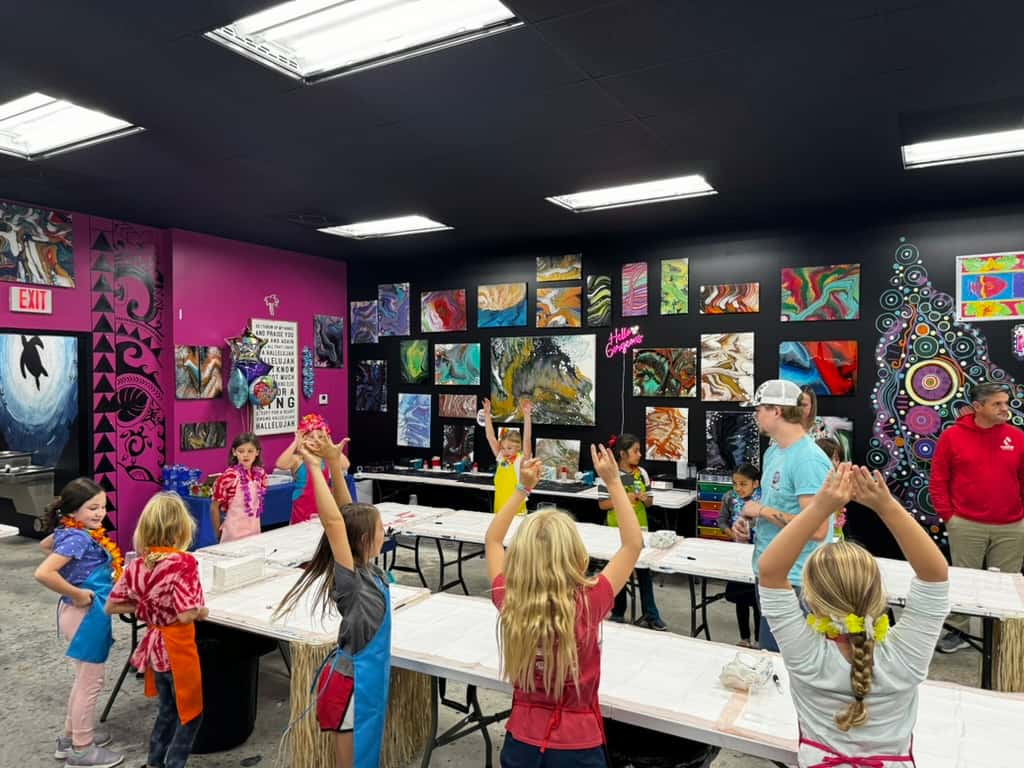
Looking for a fun and creative summer experience? Hawaii Fluid Art Summer Camp offers exciting hands-on art activities that inspire creativity, build confidence, and keep kids engaged throughout the holidays. Give your child the chance to learn, create, and make lasting memories in a safe and welcoming environment. Enroll today and let their creativity shine!
Enroll Now
Frequently Asked Questions
Q1. What is the ideal age for children to attend a summer camp?
Most summer camps welcome children between 4 and 16 years of age. The ideal age depends on the camp’s activities and your child’s readiness.
Q2. Are summer camps safe for children?
Yes. Reputable summer camps have trained staff, safety guidelines, emergency procedures, and age-appropriate supervision to ensure children’s well-being.
Q3. How long should a summer camp last?
Summer camps may last from a single day to several weeks. Many parents find that one to two weeks provides a good balance between learning, recreation, and family time.
Q4. What should children bring to summer camp?
Common essentials include comfortable clothing, a water bottle, snacks (if permitted), sunscreen, a hat, personal medications (if needed), and any items listed by the camp organizer.
Q5. How does summer camp improve children’s confidence?
By encouraging children to try new activities, solve problems independently, work with peers, and achieve personal goals, summer camps help build self-esteem and confidence.