
Summer camp is an exciting opportunity to learn new skills, make lasting friendships, and create unforgettable memories. If you’re wondering what to bring to a summer camp, planning ahead can make all the difference. Whether you’re attending an outdoor adventure camp, a sports program, or a creative experience like those offered by Hawaii Fluid Art, packing the right items will help make your camp experience more enjoyable and stress-free.
Every camp has different activities and requirements, so there isn’t a one-size-fits-all packing list. However, there are essential items that every camper should bring to stay comfortable, safe, and prepared throughout their stay.
This blog covers everything you need to pack for summer camp, along with practical tips to help you avoid over packing and forgetting important essentials.
Before You Start Packing
Before filling your suitcase or duffel bag, take a few minutes to prepare.
Check the Camp’s Packing List
Most summer camps provide a recommended packing list. Review it carefully because some camps supply bedding, art materials, or sports equipment, while others expect campers to bring their own.
Also, check for prohibited items such as electronic devices, valuables, or outside food.
Consider the Type of Camp
The items you’ll need depend on the camp experience.
- Day camps usually require only a backpack with daily essentials.
- Overnight camps require clothing, bedding, and toiletries.
- Adventure camps may require hiking shoes and weather-resistant clothing.
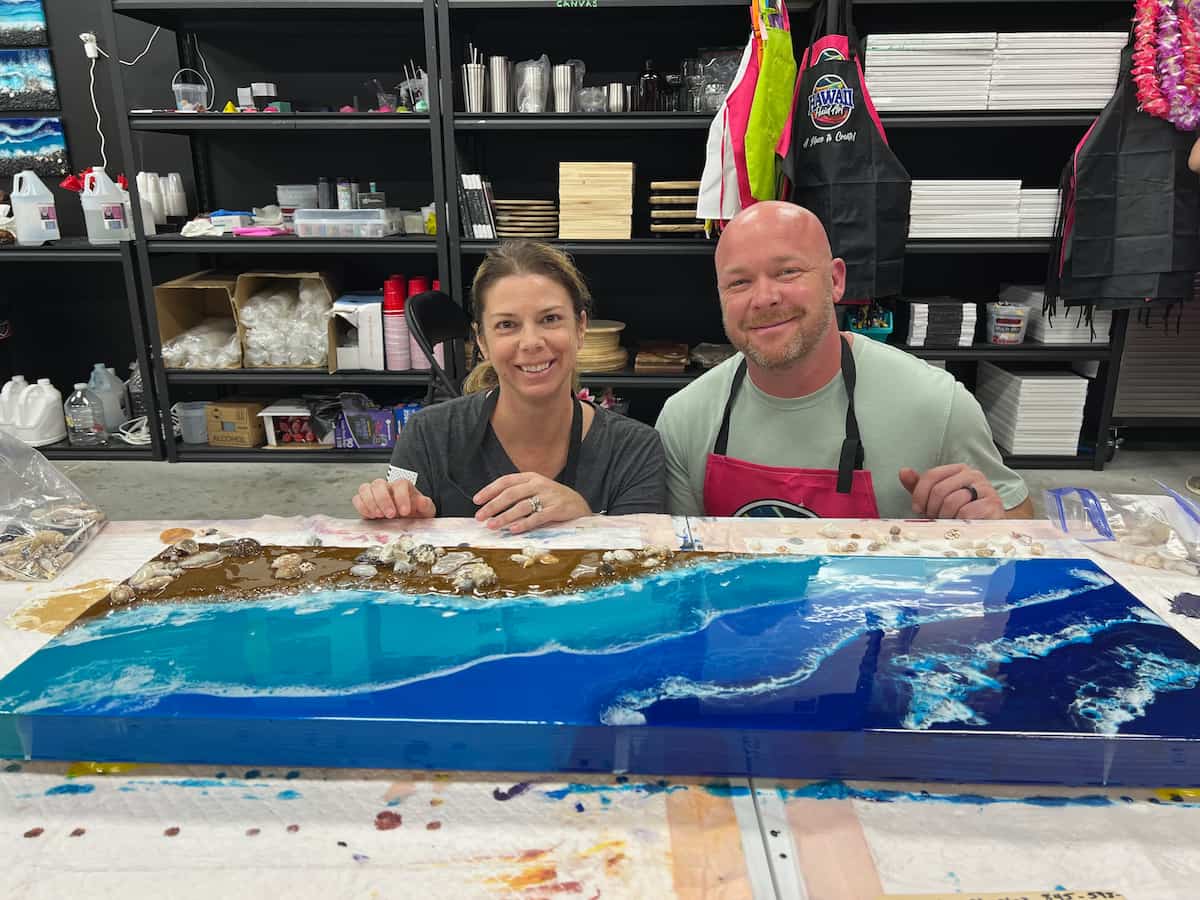
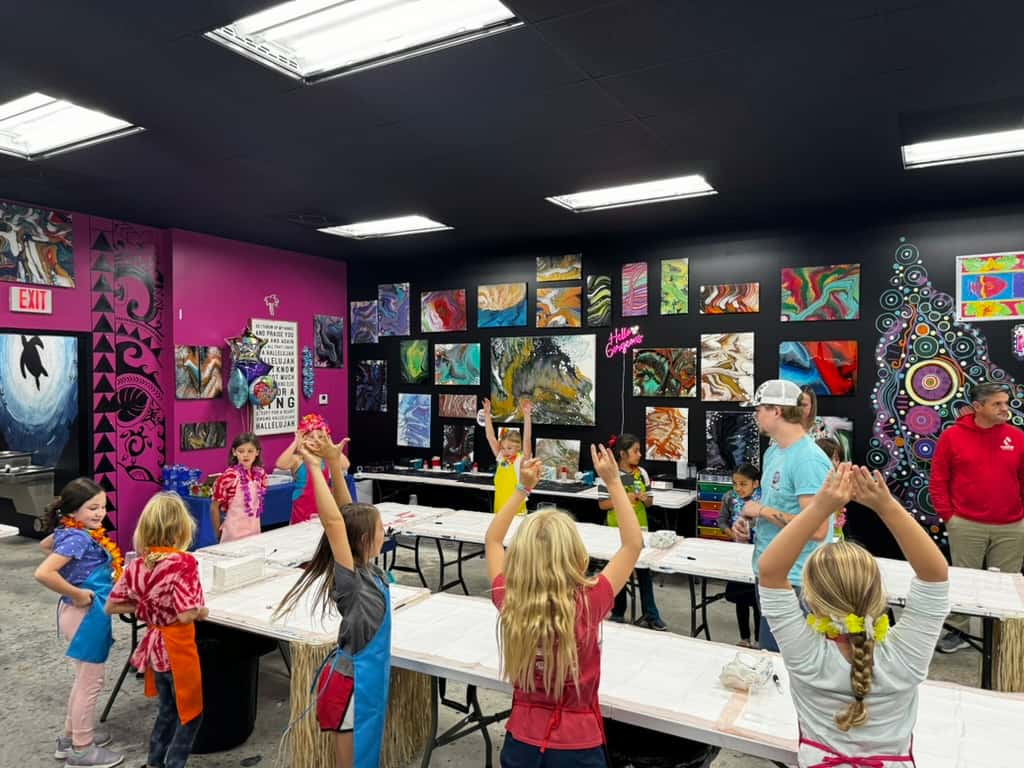
- Creative camps, including programs like Hawaii Fluid Art, may encourage comfortable clothing that can get messy during hands-on art projects.
Check the Weather
Look at the weather forecast for your destination before packing. Summer weather can change quickly, so it’s smart to bring lightweight clothing along with a sweatshirt and rain jacket.
Summer Camp Clothing Essentials
Comfortable clothing helps you enjoy every activity without worrying about discomfort.
Pack:
- 5–7 T-shirts
- 3–5 pairs of shorts
- 2 pairs of comfortable pants
- Enough underwear and socks for each day
- Lightweight pajamas
- One hoodie or sweatshirt
- Rain jacket
- Swimsuit (if swimming is offered)
- Extra outfit for unexpected spills or muddy activities
Choose breathable fabrics like cotton or moisture-wicking materials that help keep you cool during outdoor activities.
If you’re attending an art camp, avoid bringing expensive clothing. Creative projects involving paint or other materials can sometimes get messy, even with aprons.
Also Read : What Is Summer Camp Like? A Parent’s Guide to Preparing Your Child
Choose the Right Footwear
The right shoes can make a significant difference during camp.
Consider packing:
- Comfortable athletic shoes
- Sandals or flip-flops for showers or pool areas
- Water shoes if water activities are planned
- Hiking boots for outdoor adventure camps
Always break in new shoes before camp to prevent blisters.
Toiletries You’ll Need
Personal hygiene helps campers stay healthy throughout the week.
Your toiletry bag should include:
- Toothbrush
- Toothpaste
- Shampoo
- Conditioner
- Body wash or soap
- Hairbrush or comb
- Deodorant
- Sunscreen (SPF 30 or higher)
- Lip balm with SPF
- Insect repellent
- Washcloth
- Bath towel
- Hand sanitizer
Travel-size containers save space while meeting most camp requirements.
Bedding and Sleeping Essentials
If you’re attending an overnight camp, confirm whether bedding is provided.
Common items include:
- Sleeping bag
- Pillow
- Pillowcase
- Twin sheets (if required)
- Lightweight blanket
A familiar pillow or blanket can also help younger campers feel more comfortable away from home.
Health and Safety Essentials
Staying healthy allows campers to participate fully in activities.
Important items include:
Reusable Water Bottle
Hydration is essential during summer. Choose a durable, reusable water bottle that’s easy to refill throughout the day.
Prescription Medications
If medications are required, follow the camp’s instructions for labeling and submitting them. Never pack medications without reviewing camp policies.
Sun Protection
Pack:
- Wide-brim hat or baseball cap
- Sunglasses with UV protection
- Sunscreen
- Lightweight long-sleeve shirt for extended outdoor activities
Flashlight
A flashlight or headlamp is useful for evening activities, cabin use, or emergencies.
Don’t forget extra batteries.
Activity-Specific Gear
Some camps require additional equipment depending on the schedule.
Examples include:
- Swimsuit and towel
- Goggles
- Small backpack
- Notebook
- Pens or pencils
- Reusable lunch container (for day camps)
- Water bottle
- Camera (if permitted)
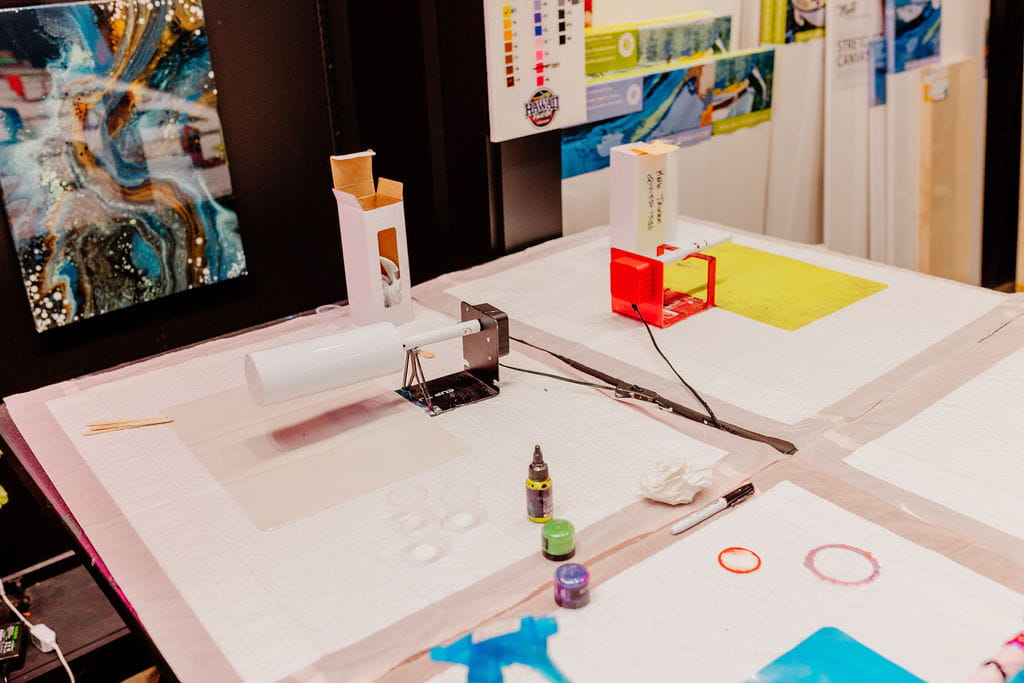
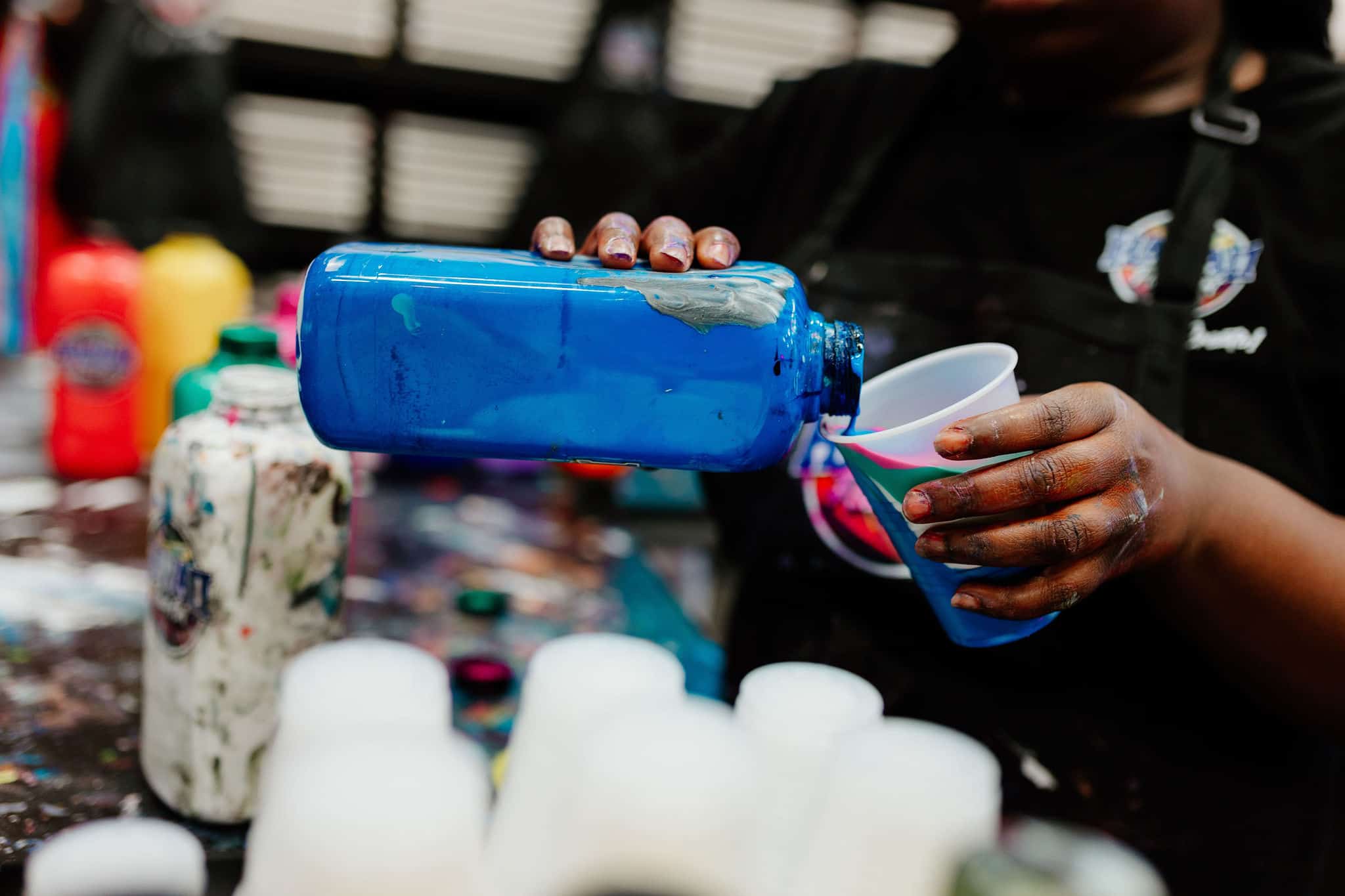
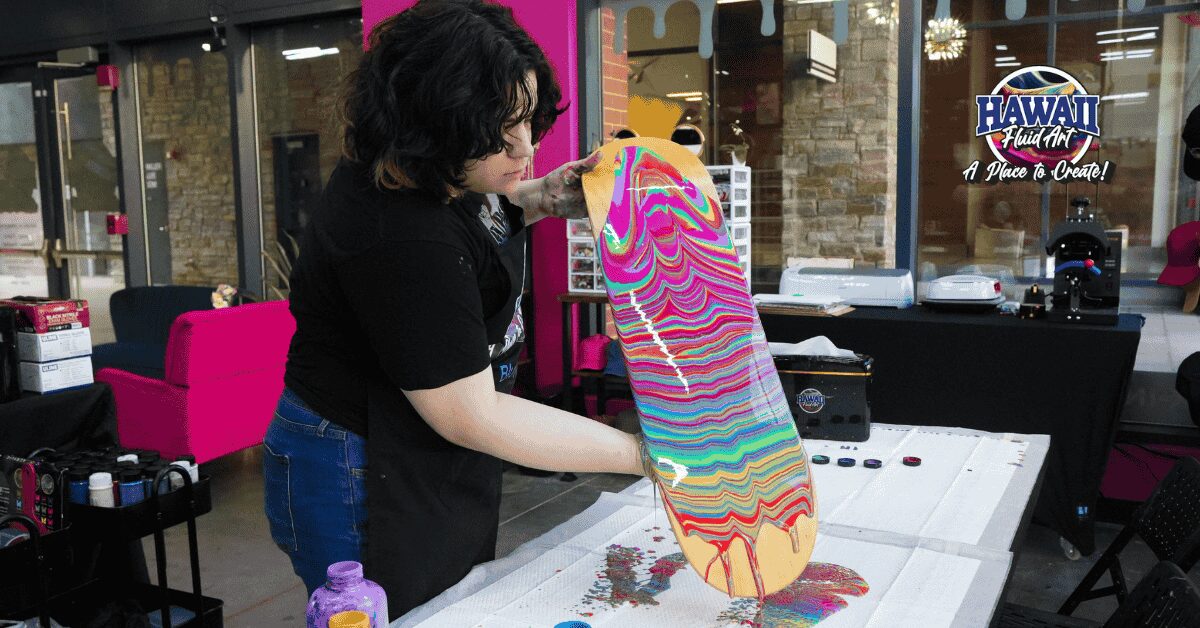
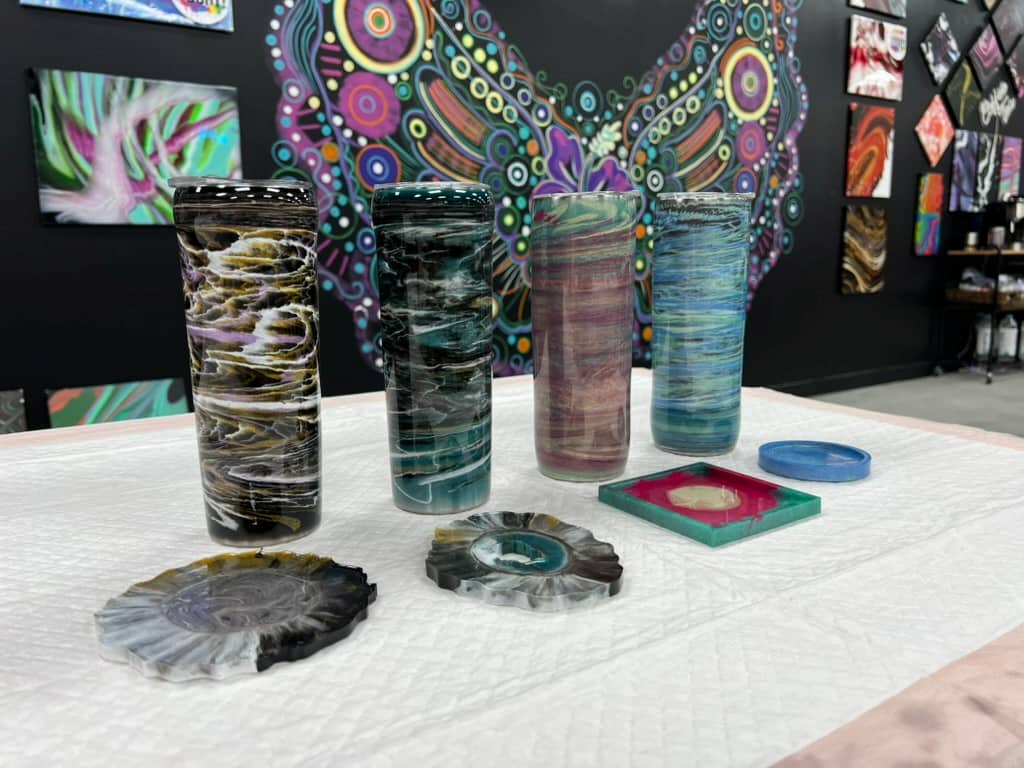
For creative camps such as Hawaii Fluid Art, most art supplies are typically provided, allowing campers to focus on exploring their creativity without needing to pack specialized materials. However, wearing comfortable clothes and closed-toe shoes is often recommended for a more enjoyable studio experience.
Optional Comfort Items
While not essential, these items can help campers feel more at home.
Consider bringing:
- Favorite stuffed animal
- Small blanket
- Journal
- Books
- Playing cards
- Family photos
- Reusable snack containers (if permitted)
Avoid packing too many personal items, as storage space may be limited.
Important Documents
Parents should prepare any required paperwork before departure.
Common documents include:
- Camp registration confirmation
- Medical forms
- Emergency contact information
- Health insurance details
- Permission slips
Keep documents together in a waterproof folder for easy access.
What Not to Bring
Packing unnecessary items can create distractions or increase the risk of loss.
Leave these at home unless the camp specifically allows them:
- Expensive jewelry
- Large amounts of cash
- Gaming consoles
- Fireworks
- Pocket knives or weapons
- Valuable electronics
- Irreplaceable sentimental items
Following camp rules helps create a safe environment for everyone.
Also Read : Best Kids Summer Camps in 2026: Top Picks for Every Budget
Smart Packing Tips
A little organization makes unpacking and finding items much easier.
Label Everything
Use waterproof labels or permanent markers to identify clothing, water bottles, towels, and other belongings.
Pack by Outfit
Rolling complete outfits together saves time and helps younger campers stay organized.
Use Packing Cubes
Packing cubes separate clothing, toiletries, and accessories while maximizing luggage space.
Don’t Overpack
Many first-time campers bring far more than they actually use. Focus on practical essentials instead of “just in case” items.
Leave Extra Space
You’ll likely return home with crafts, souvenirs, awards, or camp memories, so leave a little room in your bag.
Quick Summer Camp Packing Checklist
Here’s a simple checklist before heading out:
Clothing
- T-shirts
- Shorts
- Pants
- Socks
- Underwear
- Pajamas
- Hoodie
- Rain jacket
Footwear
- Sneakers
- Sandals
- Water shoes (if needed)
Toiletries
- Toothbrush
- Toothpaste
- Shampoo
- Soap
- Sunscreen
- Bug spray
- Towel
Health & Safety
- Water bottle
- Hat
- Sunglasses
- Flashlight
- Medications (if required)
Documents
- Medical forms
- Emergency contacts
- Camp confirmation
Final Thoughts
Packing for summer camp doesn’t have to be overwhelming. With a thoughtful checklist and a little planning, you’ll arrive prepared for every adventure, whether you’re hiking trails, playing sports, making new friends, or expressing your creativity through art.
The best approach is to review your camp’s official packing recommendations, pack only what you’ll realistically use, and label your belongings to make them easy to identify.
If your child is attending a creative program like Hawaii Fluid Art, comfortable clothing, a positive attitude, and a willingness to explore new artistic techniques are just as important as what’s inside the suitcase. By bringing the right essentials and staying organized, campers can spend less time worrying about what they forgot and more time making memories that last long after summer ends.
Discover a Creative Summer at Hawaii Fluid Art
Looking for a summer camp that inspires creativity and builds confidence? Hawaii Fluid Art Summer Camp offers a fun, hands-on experience where kids can explore exciting art techniques, express their imagination, and create one-of-a-kind masterpieces in a welcoming environment. Guided by experienced instructors, campers enjoy engaging projects, make new friends, and develop artistic skills they’ll cherish long after summer ends.
Whether your child is a budding artist or simply loves trying new creative activities, Hawaii Fluid Art Summer Camp provides an unforgettable blend of learning, creativity, and fun. Be sure to pack comfortable clothes, a positive attitude, and plenty of enthusiasm—everything else is set for an amazing artistic adventure!
Ready to make this summer colorful? Explore the exciting programs at Hawaii Fluid Art Summer Camp and give your child the opportunity to create, learn, and make lasting memories in a vibrant, inspiring studio.
Frequently Asked Questions
Q1. What should I bring to a summer camp?
You should pack comfortable clothing, sturdy shoes, toiletries, sunscreen, insect repellent, a reusable water bottle, bedding (if required), any necessary medications, and important camp documents. Always check your camp’s official packing list, as requirements may vary depending on the activities and length of the program.
Q2. How many clothes should I pack for a week-long summer camp?
For a typical one-week camp, pack enough outfits for each day, plus one or two extra sets in case of spills or unexpected weather. Include plenty of socks and underwear, comfortable sleepwear, a sweatshirt, and a rain jacket to stay prepared for changing conditions.
Q3. What items should I avoid bringing to summer camp?
Avoid bringing expensive jewelry, large amounts of cash, gaming consoles, valuable electronics, and other items prohibited by the camp. Leaving valuables at home reduces the risk of loss or damage and helps campers stay focused on activities and making new friends.
Q4. Do art camps like Hawaii Fluid Art Summer Camp provide art supplies?
Yes, Hawaii Fluid Art Summer Camp typically provides the art materials needed for creative projects, so campers can focus on exploring different techniques and expressing their creativity. It’s still a good idea to wear comfortable clothes and closed-toe shoes that are suitable for hands-on art activities.
Q5. How can I make sure I don’t forget anything when packing for summer camp?
Start by reviewing the camp’s official packing list and creating your own checklist. Pack a day or two before departure, label all personal belongings, and organize items using packing cubes or separate bags. Double-check essentials like medications, toiletries, important documents, and your reusable water bottle before leaving for camp.