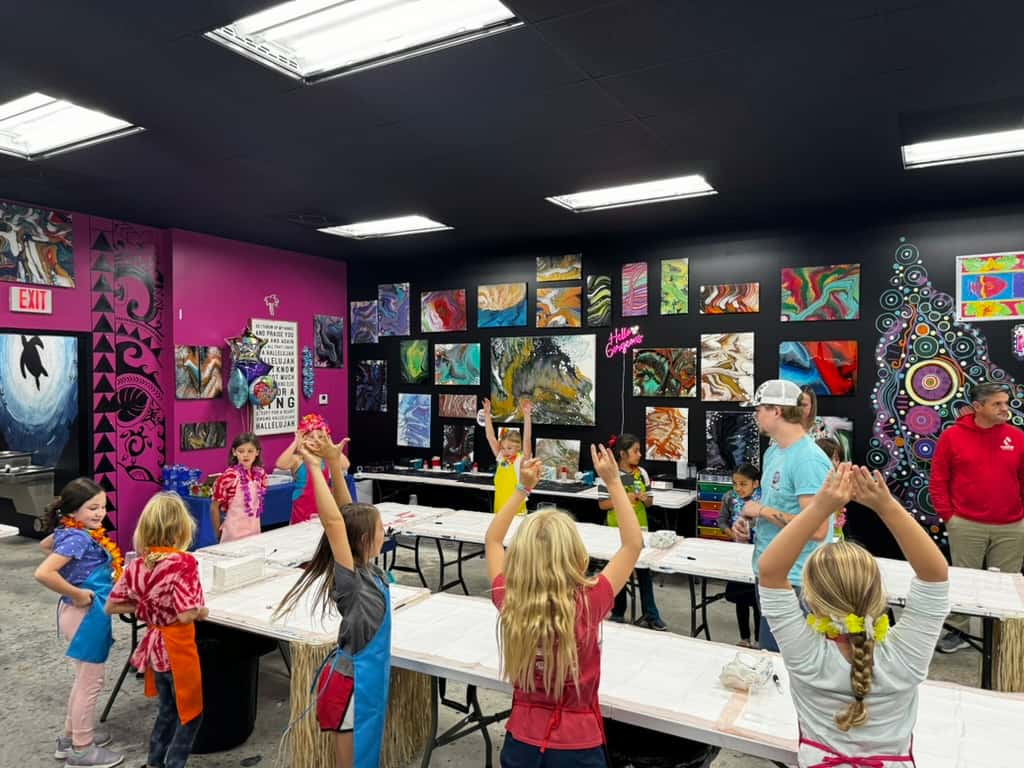

Summer break gives children a chance to relax after a busy school year, but it can also be an ideal time for growth, learning, and personal development. Many parents wonder, why is summer camp important? While camps are often associated with fun activities and outdoor adventures, their benefits extend far beyond entertainment.
Summer camps provide children with opportunities to develop life skills, build confidence, make new friends, and discover interests they may never have explored otherwise. Whether focused on sports, science, arts, or outdoor activities, camps create a supportive environment where children can grow socially, emotionally, and academically.
What Makes Summer Camp So Valuable?
Unlike school, summer camp offers a less structured and more interactive learning environment. Children participate in hands-on activities, collaborative projects, and creative challenges that encourage exploration and self-expression.
At camp, kids are encouraged to step outside their comfort zones. They may try a new sport, learn a creative skill, perform in front of others, or work with teammates to solve problems. These experiences help children develop resilience and confidence while having fun.
The unique combination of learning and recreation makes summer camp an important developmental experience for children of all ages.
Builds Independence and Confidence
One of the most significant reasons summer camp is important is that it helps children become more independent.
During camp, children often make decisions without relying on parents or teachers for every step. They learn how to manage responsibilities, follow schedules, and solve everyday challenges on their own. Even small achievements can boost a child’s self-esteem and confidence.
For example, a child who successfully completes a challenging art project, learns a new skill, or participates in a group activity gains a sense of accomplishment. These successes encourage children to believe in their abilities and approach future challenges with confidence.
As children become more independent, they often return home with improved decision-making skills and a stronger sense of responsibility.
Encourages Social Development
In today’s digital world, many children spend significant time interacting through screens. Summer camp provides valuable face-to-face social experiences that help children build meaningful relationships.
Camp activities require teamwork, communication, and cooperation. Children learn how to:
- Work with others toward shared goals
- Listen actively
- Respect different opinions
- Resolve conflicts constructively
- Develop empathy and understanding
Making new friends at camp can also improve a child’s social confidence. Since campers come from different schools and backgrounds, children have opportunities to expand their social circles and learn from diverse perspectives.
These social skills can positively influence relationships at school, at home, and throughout adulthood.
Supports Emotional Growth
Summer camp often introduces children to new experiences and challenges. While stepping into unfamiliar situations can feel intimidating at first, it helps children develop emotional resilience.
Children learn how to manage disappointment, overcome obstacles, and adapt to change. They begin to understand that setbacks are a normal part of learning and growth.
Through supportive guidance from camp counselors and peers, children gain confidence in handling emotions and solving problems independently. This emotional growth can contribute to better self-awareness, stronger coping skills, and improved mental well-being.
Promotes Physical Activity
Physical activity is another major reason why summer camp is important. Many camps encourage children to spend time outdoors participating in games, sports, and recreational activities.
Regular physical activity offers numerous benefits, including:
- Improved fitness and strength
- Better coordination and motor skills
- Increased energy levels
- Enhanced mood and mental health
- Reduced screen time
Outdoor activities also allow children to connect with nature, which has been linked to reduced stress and improved focus. Whether hiking, playing sports, or exploring creative outdoor projects, campers stay active while developing healthy habits.
Inspires Creativity and Imagination
Creative expression is essential for healthy childhood development. Summer camps often provide opportunities for children to explore art, music, crafts, storytelling, and other creative activities.
Creativity encourages children to think independently, solve problems, and express their emotions in healthy ways. It also helps build confidence by allowing children to create something unique and meaningful.
Art-focused camps are particularly effective at fostering imagination because they encourage experimentation without fear of failure. Children learn that creativity is a process and that every idea has value.
Also Read : The Benefits of Summer Camp Every Parent Should Know
Helps Prevent Summer Learning Loss
Educational experts often discuss “summer learning loss,” a phenomenon in which students forget some of what they learned during the school year while on break.
Many summer camps incorporate educational elements into their programs, helping children stay mentally engaged while having fun. Activities that involve reading, science, technology, art, and problem-solving can strengthen cognitive skills and maintain academic momentum.
Unlike traditional classroom learning, camp-based education feels interactive and enjoyable, making children more receptive to learning new concepts.
Develops Leadership and Life Skills
Summer camp environments naturally encourage leadership development. Children often participate in group projects, team activities, and collaborative challenges that require initiative and responsibility.
These experiences help children develop valuable life skills such as:
- Leadership
- Communication
- Teamwork
- Problem-solving
- Critical thinking
- Adaptability
- Time management
These skills benefit children throughout their academic journey and eventually in their careers. Learning how to work effectively with others and take responsibility for tasks can have long-lasting positive effects.
Creates Lifelong Memories and Friendships
For many children, summer camp becomes one of the most memorable experiences of childhood.
The friendships formed at camp are often built through shared adventures, teamwork, and personal growth. These connections can last for years and provide a sense of belonging that supports emotional well-being.
Camp memories also help children develop a positive outlook on trying new things. Whether it’s learning a new skill, participating in a performance, or completing a challenging project, these experiences become meaningful milestones in a child’s development.
Explore Creativity at Hawaii Fluid Art Summer Camp 2026
If you’re looking for a summer experience that combines creativity, confidence-building, and hands-on learning, Hawaii Fluid Art Summer Camp 2026 offers an exciting opportunity for young artists.
Designed to inspire imagination and artistic exploration, the camp introduces children to the fascinating world of fluid art through engaging projects and guided instruction. Campers can experiment with colors, techniques, and creative expression while developing valuable skills such as patience, focus, and problem-solving.
At Hawaii Fluid Art Summer Camp 2026, children can:
- Create unique fluid art masterpieces
- Explore artistic techniques in a supportive environment
- Build confidence through creative achievement
- Connect with fellow young artists
- Develop self-expression and critical thinking skills
The camp provides a welcoming space where creativity flourishes and children are encouraged to embrace their individuality while learning new artistic skills.
Also Read : Why Families Choose Our Summer Camps Ashburn VA
How Parents Can Choose the Right Summer Camp
Selecting the right camp is essential to ensuring a positive experience.
Parents should consider:
- Their child’s interests and personality
- Camp safety procedures
- Staff qualifications and supervision
- Age-appropriate activities
- Program goals and learning opportunities
A camp that aligns with a child’s interests is more likely to create a meaningful and enjoyable experience.
Conclusion
So, why is summer camp important?
Summer camp offers much more than entertainment during school breaks. It helps children develop independence, confidence, social skills, emotional resilience, creativity, and leadership abilities. It encourages physical activity, supports learning, and provides opportunities for meaningful friendships and personal growth.
Whether your child is interested in sports, science, outdoor adventures, or creative arts, the right summer camp can have a lasting positive impact on their development. Programs like Hawaii Fluid Art Summer Camp 2026 demonstrate how camps can combine fun, learning, and creativity to help children thrive both during the summer and beyond.
Call Now for Details
Frequently Asked Questions
Q1. Why is summer camp important for children?
Summer camp is important because it helps children develop confidence, independence, social skills, and emotional resilience. Camps provide hands-on learning experiences that encourage personal growth while allowing children to make new friends, stay active, and explore new interests in a fun and supportive environment.
Q2. What are the benefits of attending a summer camp?
Summer camps offer numerous benefits, including improved communication skills, leadership development, teamwork, creativity, problem-solving abilities, and physical fitness. They also help reduce screen time and provide opportunities for children to gain real-world experiences outside the classroom.
Q3. At what age should a child start attending summer camp?
Many children can begin attending day camps as early as 4 to 6 years old, depending on the program. The ideal age varies based on a child’s maturity, interests, and comfort level. Parents should choose age-appropriate camps that match their child’s developmental needs.
Q4. Can summer camp help shy or introverted children?
Yes. Summer camps often provide a supportive environment where shy children can build confidence, practice social skills, and form friendships through shared activities. Participating in group projects and team-based experiences can help children become more comfortable interacting with others.
Q5. How do I choose the best summer camp for my child?
When selecting a summer camp, consider your child’s interests, personality, age, and goals. Review the camp’s safety policies, staff qualifications, program activities, and camper-to-counselor ratio. Choosing a camp that aligns with your child’s passions—such as art, sports, science, or outdoor adventure—can help ensure a positive and rewarding experience.